
Feeling worried about your milk supply is a common experience for new parents. It's a personal journey, and every family's path is unique. The good news is that nutrition can play a supportive role in this process. This article isn't about promoting magic bullets. It's about providing information on adding nutrient-dense, supportive foods to your daily routine.
We are going to explore a curated list of specific foods to increase milk supply. Think of this as a helpful guide, a roundup of options that lactation professionals and other parents often turn to. The goal is to help you feel nourished and confident. We will break down why each food is thought to be beneficial, offer simple ways to incorporate it into your diet, and discuss important safety considerations.
This listicle will cover everything from whole grains like oats and barley to powerhouse seeds and legumes. Each item is presented with actionable insights to help you make choices that feel right for you and your baby.
Remember, the cornerstones of a healthy milk supply are frequent and effective milk removal, adequate hydration, and sufficient rest. The foods discussed here are the supporting cast, designed to complement these fundamental practices. To consistently incorporate these beneficial foods into your diet, understanding how to plan weekly meals effectively can be a game-changer, reducing stress and ensuring you're well-fueled. Let's get started.
1. Oats (Avena sativa)
Oats are a cornerstone food for nursing mothers, frequently recommended by lactation consultants as a gentle and effective galactagogue. This nutrient-dense whole grain is prized not only for its potential to support milk production but also for its contribution to overall postpartum recovery. Its reputation as one of the best foods to increase milk supply comes from a combination of nutritional properties.
Oats are an excellent source of iron, a mineral that is critical for postpartum mothers. Low iron levels, or anemia, are common after childbirth and have been linked to a reduction in milk supply. A warm bowl of oatmeal can help replenish these vital stores. They are also rich in beta-glucans, a type of soluble fiber that may influence the hormone prolactin, which is essential for milk production. Additionally, oats provide a steady release of energy by stabilizing blood sugar, helping you avoid energy crashes between nursing or pumping sessions.
How to Incorporate Oats
Integrating oats into your daily routine is simple and versatile. The goal is consistency, so aim for one to two servings per day to see potential benefits.
- Morning Oatmeal: Start your day with a bowl of rolled or steel-cut oatmeal. Avoid instant varieties, as they are more processed and offer less nutritional value. Top your bowl with nuts, seeds, and fruit for added protein and nutrients.
- Lactation Cookies: A popular and delicious option, lactation cookies often feature rolled oats, ground flaxseed, and brewer's yeast, all of which are believed to support milk supply.
- Overnight Oats: Perfect for busy mornings, prepare overnight oats in a jar. Combine rolled oats with milk (or a milk alternative), chia seeds, and a touch of maple syrup. Let it sit in the fridge overnight for a ready-to-eat breakfast.
- Smoothies: Add a quarter-cup of uncooked rolled oats to your morning smoothie for a fiber and nutrient boost that won't significantly change the taste.
Pro Tip: For a powerful galactagogue combination, mix one tablespoon of ground flaxseed and one teaspoon of brewer's yeast into your daily oatmeal. This blend not only supports milk production but also enhances the nutritional profile of your meal.
Oats are more than just a breakfast food. Their comforting nature and impressive nutritional benefits make them a valuable part of any breastfeeding parent's diet. For a deeper look into dietary strategies, you can learn more about how to increase milk supply on bornbir.com.
2. Brewer's Yeast (Saccharomyces cerevisiae)
Brewer's yeast is a well-known galactagogue, traditionally used for generations to support lactation. This powerhouse ingredient, a byproduct of the brewing process, is an inactive yeast praised by lactation professionals as one of the most effective foods to increase milk supply. It is packed with B-complex vitamins, chromium, iron, protein, and key amino acids, which not only contribute to milk production but also help boost energy levels and regulate postpartum mood.
The high concentration of B vitamins, particularly B12, plays a crucial role in energy metabolism, helping to combat the fatigue that often accompanies new parenthood. Chromium helps stabilize blood sugar levels, providing a steady source of energy. The combination of these nutrients is thought to support the endocrine system, which may positively influence the hormones responsible for lactation, like prolactin. Its long-standing use in postpartum recovery across many cultures solidifies its reputation as a reliable dietary addition for nursing mothers.
How to Incorporate Brewer's Yeast
Brewer's yeast has a distinct, somewhat bitter flavor, so it's best mixed into other foods rather than consumed alone. Start with a small amount, such as one teaspoon, and gradually increase to one or two tablespoons per day to allow your digestive system to adjust.
- Lactation Baked Goods: This is the most popular method. Add brewer's yeast to recipes for lactation cookies, brownies, or muffins, where its flavor can be masked by ingredients like oats, chocolate chips, and spices.
- Smoothies and Shakes: Blend a tablespoon into a fruit smoothie or protein shake. The other ingredients will help camouflage the taste while you still get all the nutritional benefits.
- Oatmeal or Yogurt: Stir a teaspoon or two directly into your morning bowl of oatmeal or a serving of yogurt. Combine it with other galactagogues like oats and flaxseed for a synergistic effect.
- Savory Dishes: While less common, it can be sprinkled into savory dishes like soups, stews, or pasta sauces to add a nutritional boost.
Pro Tip: When purchasing, be sure to look for "brewer's yeast" and not "nutritional yeast." While both are nutritious, brewer's yeast is specifically recognized for its galactagogue properties. Brands like Bob's Red Mill offer reliable options.
Consistency is key when using brewer's yeast to see a potential increase in milk supply. For more helpful information and support on your nursing journey, discover additional breastfeeding tips for new moms on bornbir.com.
3. Ground Flaxseed (Linum usitatissimum)
Ground flaxseed is a tiny yet mighty seed celebrated as a powerful galactagogue for breastfeeding mothers. This nutritional powerhouse is packed with essential fatty acids, phytoestrogens, and fiber, all of which contribute to its reputation as one of the key foods to increase milk supply. Its benefits extend beyond lactation, supporting maternal well-being and contributing to the healthy development of the nursing infant.
Flaxseed's lactation-boosting properties are often attributed to its rich content of phytoestrogens, specifically lignans. These plant-based compounds can mimic estrogen in the body, which may help stimulate the hormones responsible for milk production. Additionally, flaxseed is an excellent plant-based source of alpha-linolenic acid (ALA), a type of omega-3 fatty acid that is crucial for a baby's brain development and is passed through breast milk. The high fiber content also aids in postpartum digestion and helps maintain stable energy levels.
How to Incorporate Ground Flaxseed
For your body to absorb its nutrients, flaxseed must be ground. You can buy it pre-ground or grind whole flaxseeds at home in a coffee grinder. Aim for two to four tablespoons per day for potential benefits.
- Smoothie Supercharger: Add a tablespoon or two of ground flaxseed into your daily smoothie. It blends in easily, adding a nutty flavor and creamy texture alongside other galactagogues like oats or brewer's yeast.
- Lactation Energy Balls: Combine ground flaxseed with rolled oats, nut butter, honey, and other healthy ingredients to create no-bake energy bites. These are perfect for a quick, one-handed snack during a nursing session.
- Yogurt and Cereal Topper: Sprinkle ground flaxseed over your morning yogurt, oatmeal, or cold cereal for an easy and effective nutrient boost.
- Baking Ingredient: Incorporate ground flaxseed into lactation cookie recipes, muffins, or homemade bread. It can also be used as a vegan egg substitute in many baked goods.
Pro Tip: Always store ground flaxseed in an airtight container in the refrigerator or freezer. Its high-fat content makes it prone to oxidation and spoilage if left at room temperature, which can diminish its nutritional value.
The versatility of ground flaxseed makes it a simple addition to almost any meal. While dietary changes can be very effective, if you have persistent concerns about your supply, it's always wise to seek professional guidance. You can learn more about how a lactation consultant can help on bornbir.com.
4. Leafy Greens (Spinach, Kale, and Moringa)
Leafy green vegetables are nutritional powerhouses for nursing mothers, offering a wealth of vitamins and minerals that support both postpartum recovery and lactation. Greens like spinach, kale, and moringa are particularly celebrated as some of the best foods to increase milk supply. They provide key nutrients that address common postpartum challenges, such as anemia, while also contributing to the overall quality of breast milk.
These vegetables are rich in iron, calcium, folate, and vitamins A, C, and K. Iron is especially crucial, as low levels postpartum can lead to fatigue and a diminished milk supply. Leafy greens also contain phytoestrogens, plant-based compounds that are believed to have a positive effect on milk production. Moringa, in particular, has been used for centuries in traditional medicine as a potent galactagogue, with some studies suggesting it can significantly increase prolactin levels.

How to Incorporate Leafy Greens
Adding one to two servings of leafy greens to your daily diet is an easy and effective way to boost your nutrient intake. Their versatility makes them simple to include in meals you already enjoy.
- Green Smoothies: Blend a large handful of fresh spinach or kale into your morning smoothie. The fruit will mask the flavor, making it a simple way to get a concentrated dose of nutrients.
- Soups and Stews: Stir chopped kale or moringa leaves into soups, stews, and curries during the last few minutes of cooking. Moringa powder is another convenient option for enriching liquid-based meals.
- Sautéed Sides: Lightly sauté spinach or kale with garlic and olive oil for a quick and nutritious side dish. Pairing greens with a source of healthy fat, like olive oil, helps your body absorb fat-soluble vitamins.
- Salads and Wraps: Use a base of mixed greens, arugula, or baby kale for a vibrant salad, or add fresh spinach leaves to sandwiches and wraps for an extra nutritional layer.
Pro Tip: To maximize iron absorption from leafy greens, pair them with a food high in vitamin C. Squeeze fresh lemon juice over sautéed kale, add bell peppers to your salad, or blend your spinach smoothie with oranges.
By making leafy greens a consistent part of your diet, you provide your body with the essential building blocks for a healthy milk supply. If you are concerned about your production levels, it can be helpful to explore the underlying reasons. You can get more information on what impacts milk production and potential solutions by understanding the common low milk supply causes on bornbir.com.
5. Garlic (Allium sativum)
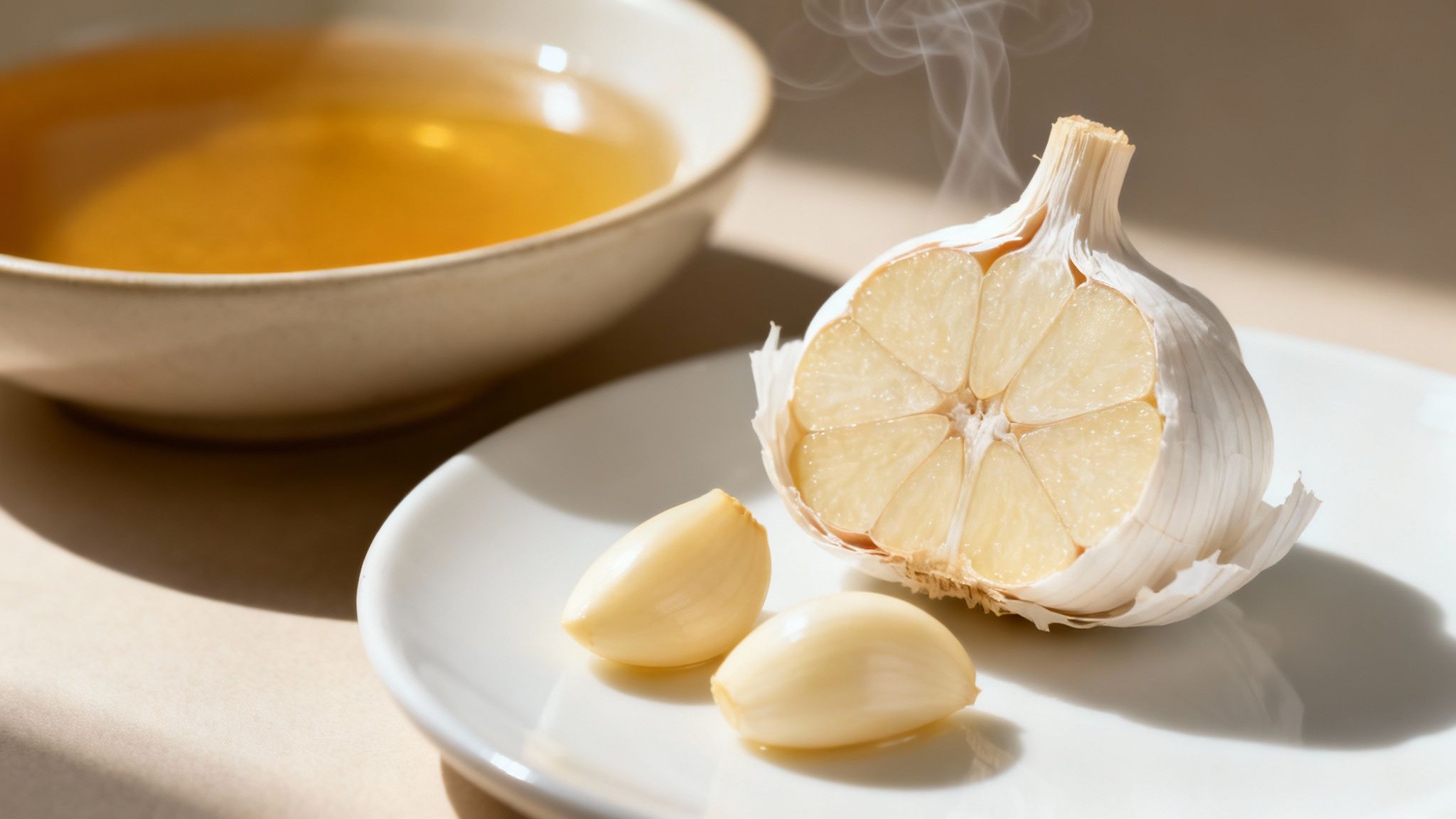
Garlic is a globally revered culinary and medicinal herb, recognized for its potent flavor and health benefits. In the context of lactation, it holds a traditional reputation as a galactagogue, valued for its ability to support milk production while also offering significant immune-boosting properties crucial for the postpartum period. Its unique compounds, such as allicin, not only contribute to its antimicrobial effects but may also influence lactation hormones.
Some studies and anecdotal reports suggest that the strong aroma and flavor compounds in garlic can transfer to breast milk. This change in taste may intrigue some infants, encouraging them to nurse more frequently and for longer durations, which in turn can signal the body to produce more milk. This makes garlic a fascinating food to increase milk supply, working through both maternal physiology and infant behavior.
How to Incorporate Garlic
Adding garlic to your diet is straightforward, as it is a foundational ingredient in many cuisines. The key is consistent, moderate consumption. Aim for two to four cloves daily, preferably cooked, to benefit from its properties without overwhelming your or your baby’s system.
- Warm Soups and Broths: Garlic is a staple in traditional postpartum recovery meals across many cultures. Add several crushed or minced cloves to chicken, bone, or vegetable broths to infuse them with flavor and nutrients.
- Roasted Vegetables and Meats: Roasting whole cloves of garlic alongside vegetables like broccoli and carrots or with chicken or fish makes them sweet, mellow, and easy to digest.
- Sautéed into Meals: Mince garlic and sauté it in olive oil as a base for pasta sauces, stir-fries, and curries. This is an easy way to incorporate it into your daily dinners.
- Garlic-Infused Oil: Gently heat a few cloves of garlic in olive oil, then strain. Use the infused oil to drizzle over salads, bread, or cooked vegetables for a milder garlic flavor.
Pro Tip: If you are concerned about digestive issues or your baby's sensitivity to raw garlic, always cook it first. Cooking mellows the intensity of the flavor and makes it easier on the stomach while still retaining many of its beneficial properties for lactation support.
Garlic's role extends beyond just being a flavor enhancer. Its historical use as a galactagogue, combined with its immune-supportive benefits, makes it a valuable addition to a breastfeeding parent's diet. As you explore dietary strategies, you can learn more about how to prepare for breastfeeding on bornbir.com.
6. Chickpeas and Legumes (Lentils, Beans)
Chickpeas, lentils, and beans are plant-based protein powerhouses celebrated in traditional postpartum diets worldwide. As potent galactagogues, these legumes are packed with essential nutrients that support both milk production and a mother's recovery after birth. Their value comes from a rich blend of protein, iron, folate, and phytoestrogens, making them an excellent choice among foods to increase milk supply, especially for those on vegetarian or vegan diets.
Legumes provide a sustained source of energy and are high in fiber, which aids in postpartum digestion and helps maintain stable blood sugar levels. The iron content is particularly important, as low iron can negatively impact milk production. Furthermore, phytoestrogens are plant-based compounds that can mimic estrogen in the body, which may positively influence the hormones responsible for lactation.

How to Incorporate Chickpeas and Legumes
Adding legumes to your diet is easy and can be incredibly flavorful. Aim for at least one serving daily to harness their benefits. To further ensure a balanced intake of protein while incorporating specific legumes for milk supply, understanding the best vegan protein sources can be incredibly beneficial.
- Hearty Soups and Stews: A warm bowl of lentil soup or a hearty bean chili is a comforting and nutrient-dense meal. Cook with spices like cumin and ginger to aid digestion.
- Hummus and Dips: Chickpea-based hummus is a classic lactation-friendly snack. Pair it with whole-grain crackers or fresh vegetable sticks for a quick and satisfying option.
- Salads and Bowls: Add a cup of cooked chickpeas or black beans to your salads or grain bowls for an instant boost of protein and fiber.
- Curries and Dals: Many Indian and Middle Eastern cultures rely on legume-based dishes like dal for postpartum nourishment. These are often spiced with galactagogue herbs like fenugreek and fennel.
Pro Tip: To improve digestibility and reduce potential gas or bloating, soak dried beans and lentils overnight before cooking. Discard the soaking water and rinse them thoroughly. Cooking legumes with a strip of kombu seaweed can also help break down the complex sugars that cause digestive discomfort.
The versatility of legumes makes them a simple yet powerful addition to a breastfeeding parent's diet. Their nutritional profile supports not only lactation but also the demanding energy needs of the entire postpartum period.
7. Brewers Grain (Spent Grain from Beer Production)
Brewers grain, the fiber-rich barley malt left over from the beer-making process, is an emerging galactagogue valued for its impressive nutritional profile. Often confused with its more famous counterpart, brewer's yeast, brewer's grain offers a distinct set of benefits, including substantial fiber and a less bitter taste, making it a versatile addition to a nursing parent's diet. This byproduct is rich in protein, minerals, and B vitamins that support both postpartum recovery and lactation.
The power of brewer's grain as one of the foods to increase milk supply lies in its composition. It is an excellent source of beta-glucans, the same soluble fiber found in oats that is thought to stimulate prolactin production. Additionally, it provides essential nutrients like iron, magnesium, and potassium, which are crucial for maintaining energy levels and overall health after childbirth. The high fiber content also supports healthy digestion, a common concern for postpartum mothers.
How to Incorporate Brewers Grain
Adding this nutrient-dense ingredient to your diet is easier than it sounds, as it can be seamlessly mixed into many common foods. Aim for a consistent intake of two to three tablespoons daily to observe potential effects.
- Boost Your Breakfast: Stir brewer's grain powder into your morning oatmeal, yogurt, or pancake batter. Its mild, nutty flavor profile blends well with breakfast staples.
- Enhance Baked Goods: Add it to recipes for lactation cookies, muffins, or energy bites. It can replace a small portion of the flour, adding fiber and protein.
- Power Up Smoothies: Blend a tablespoon or two into your daily smoothie. It combines well with fruits, vegetables, and protein powders without overpowering the taste.
- Savory Dishes: Mix brewer's grain into savory foods like soups, stews, or even meatloaf for an invisible nutritional boost.
Pro Tip: When incorporating a high-fiber food like brewer's grain, it is essential to increase your water intake. This helps your digestive system process the extra fiber comfortably and supports overall hydration, which is vital for milk production.
While still a lesser-known galactagogue, brewer's grain is gaining traction in postpartum nutrition circles for its unique benefits. For more information on creating a comprehensive breastfeeding diet plan, explore the resources on how to increase milk supply at bornbir.com.
8. Barley (Hordeum vulgare) and Barley Malt Extract
Barley is an ancient whole grain celebrated for its rich nutritional profile and its long-standing use as a galactagogue across various cultures. Similar to oats, this hearty grain is a fantastic source of beta-glucans, a type of polysaccharide known to potentially increase prolactin levels, the key hormone responsible for milk production. As one of the most effective foods to increase milk supply, barley offers a dual benefit by supporting lactation and providing essential nutrients for postpartum recovery.
The grain is packed with fiber, vitamins, and minerals that help maintain hydration and provide sustained energy, which is crucial for nursing parents. Its malted form, barley malt extract, is an enzymatically-active syrup that offers a more concentrated and bioavailable source of these beneficial compounds. Traditional postpartum meals in many Scandinavian and Germanic cultures often feature barley-based soups and porridges, underscoring its historical significance in supporting new mothers.
How to Incorporate Barley
Integrating barley and its malt extract into your diet can be both simple and delicious. Aim for consistency by including it a few times a week to potentially see a positive impact on your milk supply.
- Hearty Soups and Stews: Add a half-cup of whole, pearled, or hulled barley to your favorite soups and stews. It adds a wonderful chewy texture and makes the meal more substantial and nourishing.
- Nourishing Grain Bowls: Use cooked barley as the base for a grain bowl. Top it with roasted vegetables, a protein source like chicken or chickpeas, and a flavorful dressing for a complete and satisfying meal.
- Barley Malt Drinks: Stir one to two teaspoons of barley malt extract into warm milk, a milk alternative, or even a smoothie. This creates a comforting, slightly sweet beverage that can be enjoyed daily.
- Enhanced Broths: Simmering whole barley in bone broth can help enhance the mineral extraction from the bones while adding its own galactagogue properties to the final broth.
Pro Tip: For a simple and effective lactation-supporting beverage, combine one to two teaspoons of barley malt extract with a cup of warm oat milk. This doubles down on beta-glucan sources and provides a comforting, easy-to-digest drink perfect for any time of day.
Whether enjoyed as a whole grain in a savory dish or as a sweet extract in a warm drink, barley is a versatile and powerful food for any breastfeeding parent's pantry. For more ideas on building a supportive postpartum diet, you can find additional resources on bornbir.com.
8-Item Comparison: Foods to Increase Milk Supply
| Item | Implementation complexity 🔄 | Resource requirements ⚡ | Expected outcomes 📊 | Ideal use cases 💡 | Key advantages ⭐ |
|---|---|---|---|---|---|
| Oats (Avena sativa) | Low. It's easy to prepare. 🔄 | Minimal. It's a pantry staple in multiple forms. ⚡ | Moderate increase in supply; ⭐⭐⭐; effects in 1–2 weeks 📊 | Daily postpartum meals; energy stabilization 💡 | Well-researched, versatile, gentle on digestion ⭐ |
| Brewer's Yeast (Saccharomyces cerevisiae) | Moderate. It requires dosing and taste adaptation. 🔄🔄 | Supplement/powder form; consistent dosing needed ⚡ | High likelihood of quick response; ⭐⭐⭐⭐; often 3–5 days 📊 | Targeted milk-supply boost; supplement stacks 💡 | Strong evidence base; B-vitamin and mood support ⭐ |
| Ground Flaxseed | Low–Moderate. It requires grinding & storage. 🔄 | Needs grinding, refrigeration for freshness ⚡ | Moderate support for supply and infant neuro development; ⭐⭐⭐; 1–2 weeks 📊 | Omega-3 support, fiber, vegan diets 💡 | ALA & lignans; cardiovascular and bowel benefits ⭐ |
| Leafy Greens (Spinach, Kale, Moringa) | Low. They are simple to include daily. 🔄 | Fresh or powdered forms; regular servings ⚡ | Moderate support for lactation and anemia recovery; ⭐⭐⭐ 📊 | Micronutrient-dense meals; iron/folate emphasis 💡 | Broad micronutrient profile; moringa is a complete protein ⭐ |
| Garlic (Allium sativum) | Low. It offers culinary integration. 🔄 | Minimal. It's available fresh or powdered; regular intake is needed. ⚡ | Mild–moderate lactation support; ⭐⭐–⭐⭐⭐; variable timeline 📊 | Immune support, traditional broths; mastitis risk management 💡 | Antimicrobial and immune benefits; flavor enhancer ⭐ |
| Chickpeas & Legumes (Lentils, Beans) | Moderate. Soaking and cooking is required. 🔄🔄 | Requires prep (soak/cook); pantry staples ⚡ | Moderate increase in supply; ⭐⭐⭐; supports iron/energy in 1–2 weeks 📊 | Vegetarian/vegan postpartum plans; sustained energy 💡 | Plant-based complete protein (with grains), iron-rich ⭐ |
| Brewers Grain (Spent Grain) | Moderate. It needs sourcing and gradual introduction. 🔄🔄 | May require local brewery sourcing or specialty stores ⚡ | Potential moderate benefit; ⭐⭐⭐; less clinical research 📊 | Fiber-focused lactation support; gut health emphasis 💡 | High fiber, milder flavor than brewer's yeast; prebiotic benefits ⭐ |
| Barley & Barley Malt Extract (Hordeum vulgare) | Low–Moderate. You can use the grain or extract. 🔄🔄 | Whole barley or malt extract; contains gluten ⚡ | Moderate support via beta-glucans; ⭐⭐⭐; 1–2 weeks (extract may act faster) 📊 | Those tolerating gluten seeking palatable galactagogue 💡 | Beta-glucans for immune/lactation support; pleasant taste ⭐ |
When Food Isn't Enough. Your Next Steps.
Navigating the world of breastfeeding is a deeply personal and often complex journey. Throughout this guide, we've explored a variety of powerful, nutrient-dense foods that may help increase your milk supply. From the beta-glucans in hearty oats and barley to the phytoestrogens in flaxseed and garlic, nature offers a rich pantry of potential support. Integrating these ingredients, like brewer's yeast, leafy greens, and versatile legumes, into your daily meals can be an empowering and delicious way to nourish both yourself and your baby.
These foods to increase milk supply are not just about their potential lactogenic properties. They are about holistic postpartum recovery. They provide essential vitamins, minerals, healthy fats, and fiber that your body craves as it heals and undertakes the demanding work of milk production. Crafting a lactation-supportive diet is a profound act of self-care, one that acknowledges the incredible physical effort of new parenthood.
However, it's crucial to hold a balanced perspective. While a supportive diet is a cornerstone of a healthy breastfeeding experience, it is just one piece of a much larger puzzle. Food is fuel and support, but it isn’t a universal remedy for all lactation challenges.
Recognizing the Limits of a Lactogenic Diet
If you have diligently incorporated these foods into your diet for a few weeks and still feel your supply is not meeting your baby's needs, it is not a sign of failure. It is a signal to look deeper and seek expert guidance. A persistent low milk supply can often be traced back to underlying issues that no amount of oatmeal or lactation cookies can resolve on their own.
Consider these common factors that require professional assessment:
- Ineffective Latch or Milk Transfer: This is the most common reason for low milk supply. If your baby isn't latching deeply and effectively, they can't efficiently remove milk from the breast. This signals your body to produce less, not more. A lactation consultant can assess your baby's latch and oral anatomy, providing adjustments that can make a world of difference.
- Infrequent or Ineffective Feedings: Milk production operates on a supply-and-demand basis. Infrequent nursing or pumping sessions, or schedules that don't align with your baby's cues, can lead to a decrease in production over time.
- Hormonal Imbalances: Conditions like Polycystic Ovary Syndrome (PCOS), thyroid issues, or retained placental fragments can interfere with the hormones, like prolactin, that are essential for milk synthesis.
- Physiological Factors: Certain medical histories, previous breast surgeries, or anatomical variations can impact a person's ability to produce a full milk supply.
Understanding that these factors exist is the first step. The next, most important step is reaching out for qualified, personalized support.
The Power of Professional Guidance
Trying to troubleshoot lactation challenges alone can be an isolating and stressful experience. A lactation professional, such as an International Board Certified Lactation Consultant (IBCLC), is a trained expert who can provide a comprehensive evaluation that goes far beyond dietary advice.
Here’s what you can expect when working with a lactation consultant:
- A Thorough Health History: They will discuss your pregnancy, birth, and postpartum experience, as well as you and your baby's medical history.
- An Oral and Physical Assessment: They will examine your baby’s mouth for potential issues like a tongue-tie or high palate and assess your breast anatomy.
- A Weighted Feed: This is a critical diagnostic tool. By weighing your baby before and after a feeding on a highly sensitive scale, a consultant can determine precisely how much milk your baby is transferring. This provides objective data, moving you from worry to a clear action plan.
Based on this complete picture, they can create a customized care plan that may include latch adjustments, feeding position changes, a tailored pumping schedule, or referrals to other healthcare providers. Seeking this help is a sign of strength and a powerful investment in your breastfeeding goals. You are not meant to do this alone.
Embrace the journey of discovering which foods to increase milk supply work best for your body, but always remember that they are part of a team effort. Combine your nutritional strategies with consistent milk removal, adequate hydration, and the invaluable expertise of a lactation professional when you need it. You are doing an incredible job, and with the right support system, you can navigate any challenge that comes your way.
Finding the right support shouldn't be another source of stress. Bornbir simplifies the process, connecting you with a vetted network of lactation consultants, postpartum doulas, and other perinatal professionals in your area. You can compare providers, read verified reviews, and book the expert care you and your baby deserve with confidence through Bornbir.